




Kyekyeku D/A Basic School, one of the oldest public basic schools in the Okere District of the Eastern Region, is battling severe teacher shortages, inadequate teaching and learning materials, and poor infrastructure, raising concerns about the future of education in the community.
Despite decades of producing notable men and women who have contributed to national development, the school now faces mounting challenges that are affecting both teachers and pupils.
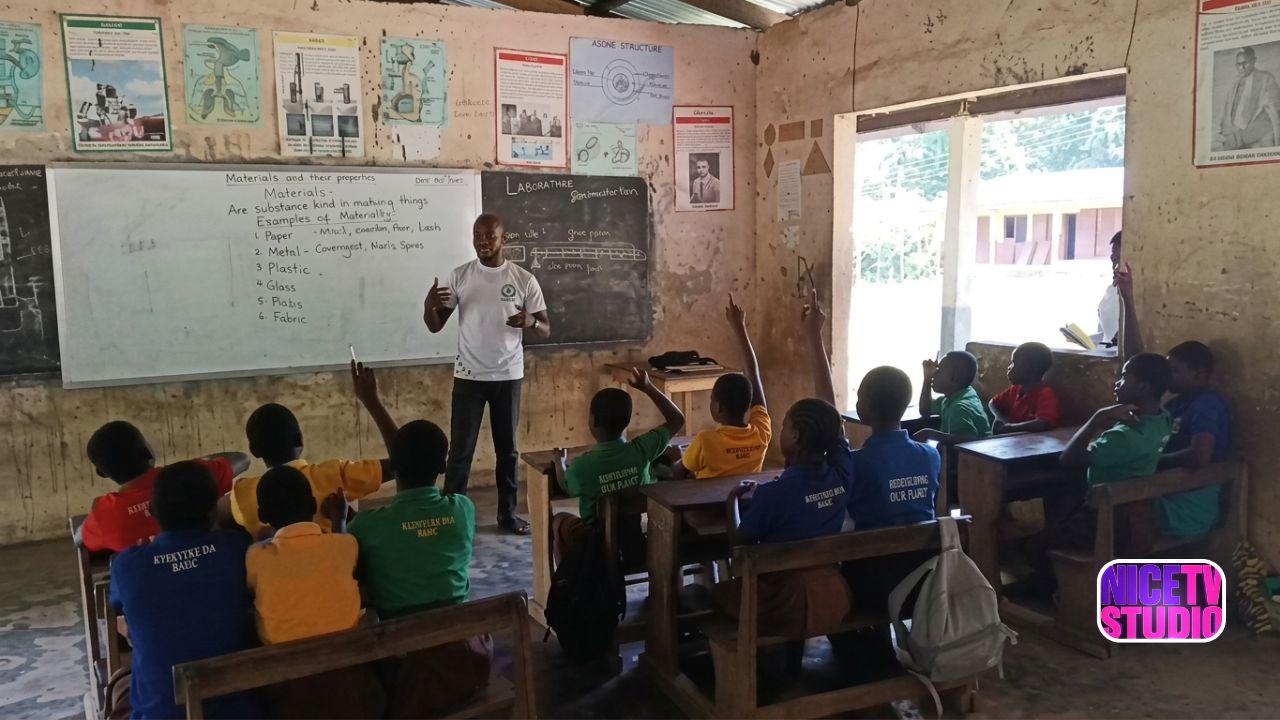
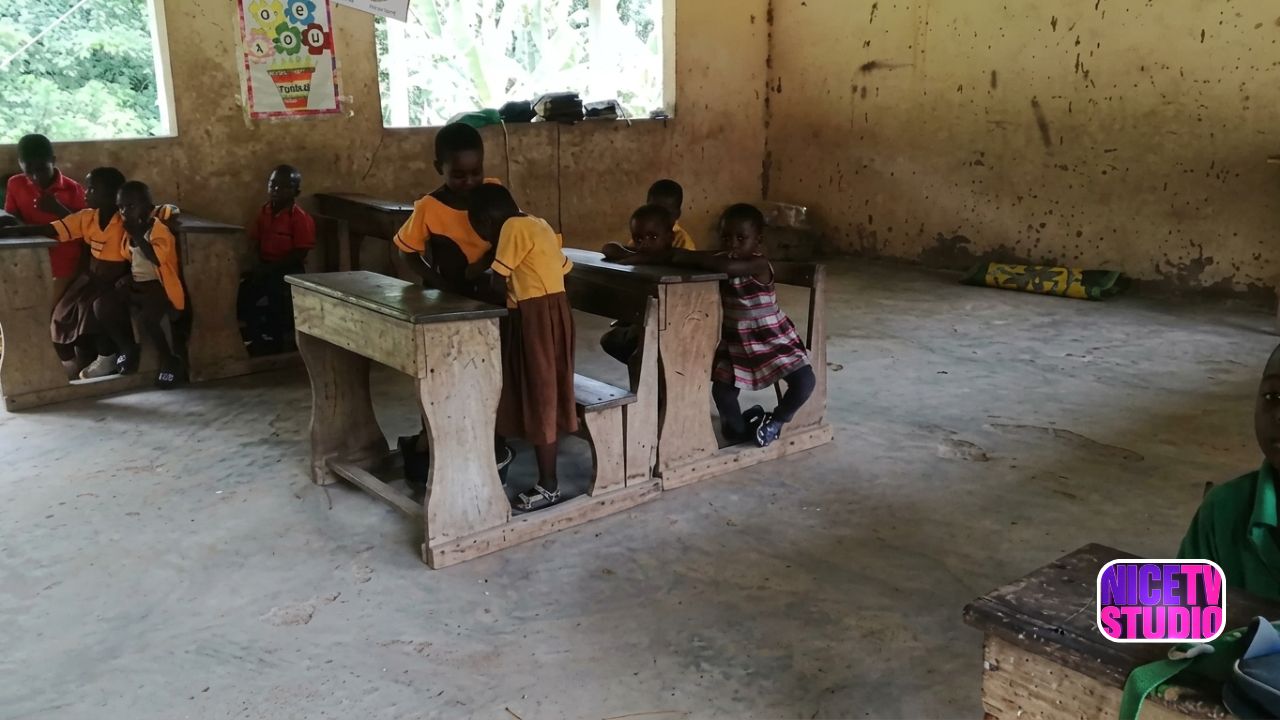
A visit to the school revealed that the school currently operates with only four teachers, forcing some of them to teach multiple classes at the same time. The situation has placed enormous pressure on the teaching staff and raised fears over the quality of instruction being delivered to pupils.
Speaking on the situation, Headmaster of the school, Mr Hanson Avorkpo, described the teacher shortage as one of the school’s biggest challenges. He explained that although teachers continue to give their best under difficult circumstances, the lack of adequate staff is not sustainable.
According to him, the school has managed to maintain impressive academic standards despite the challenges, winning several district-level academic awards over the years. However, he warned that without immediate intervention from the government and other stakeholders, the situation could lead to declining academic performance and increased school dropout rates.
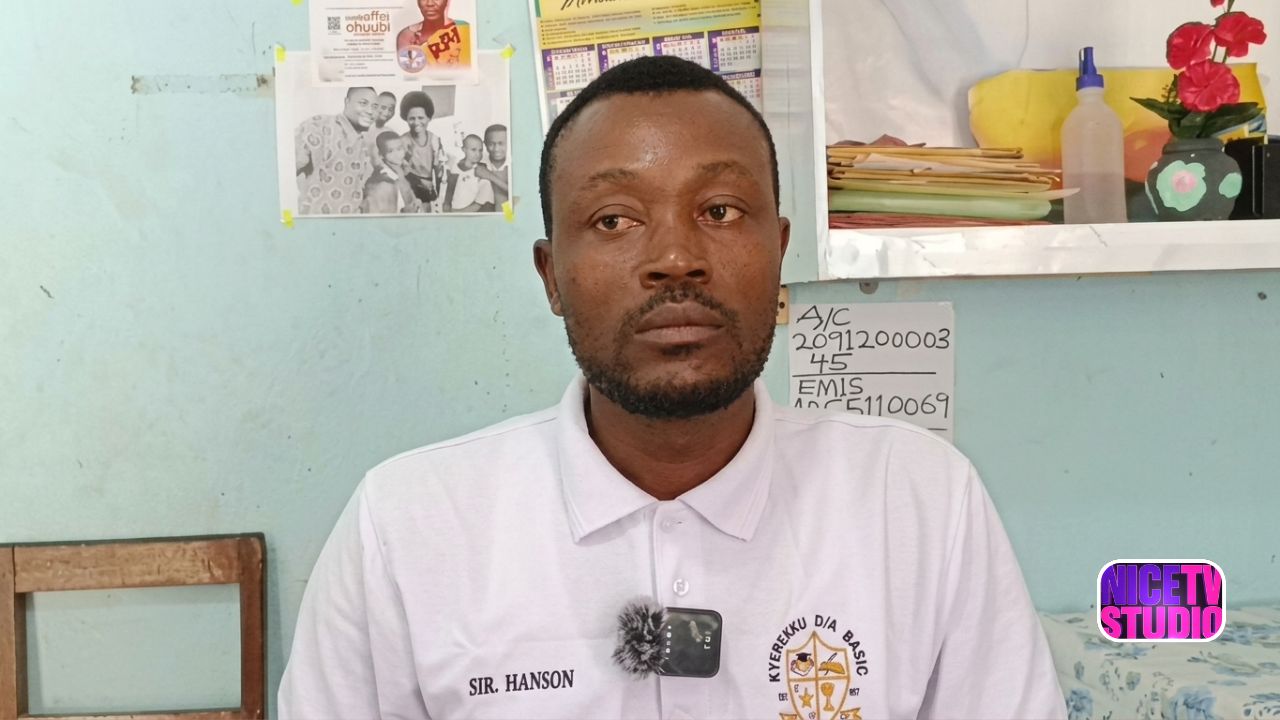
The school’s staffing challenges are further highlighted by the dedication of two volunteer teachers who travel nearly two hours each day on motorcycles over poor road networks to provide instructional support. Their commitment has helped keep teaching and learning ongoing, but school authorities say relying on volunteers is not a long-term solution.
Beyond the shortage of teachers, the school is also grappling with a lack of basic educational facilities. Although Information and Communication Technology (ICT) is part of the curriculum, the school has no ICT laboratory or desktop computers to support practical lessons, leaving pupils to study the subject largely in theory.
The school’s infrastructure challenges extend beyond the classroom. Pupils do not have access to a toilet facility, compelling them to endure difficult sanitary conditions during school hours. There are also shortages of textbooks and exercise books, while some pupils attend school without the required uniforms due to financial constraints.
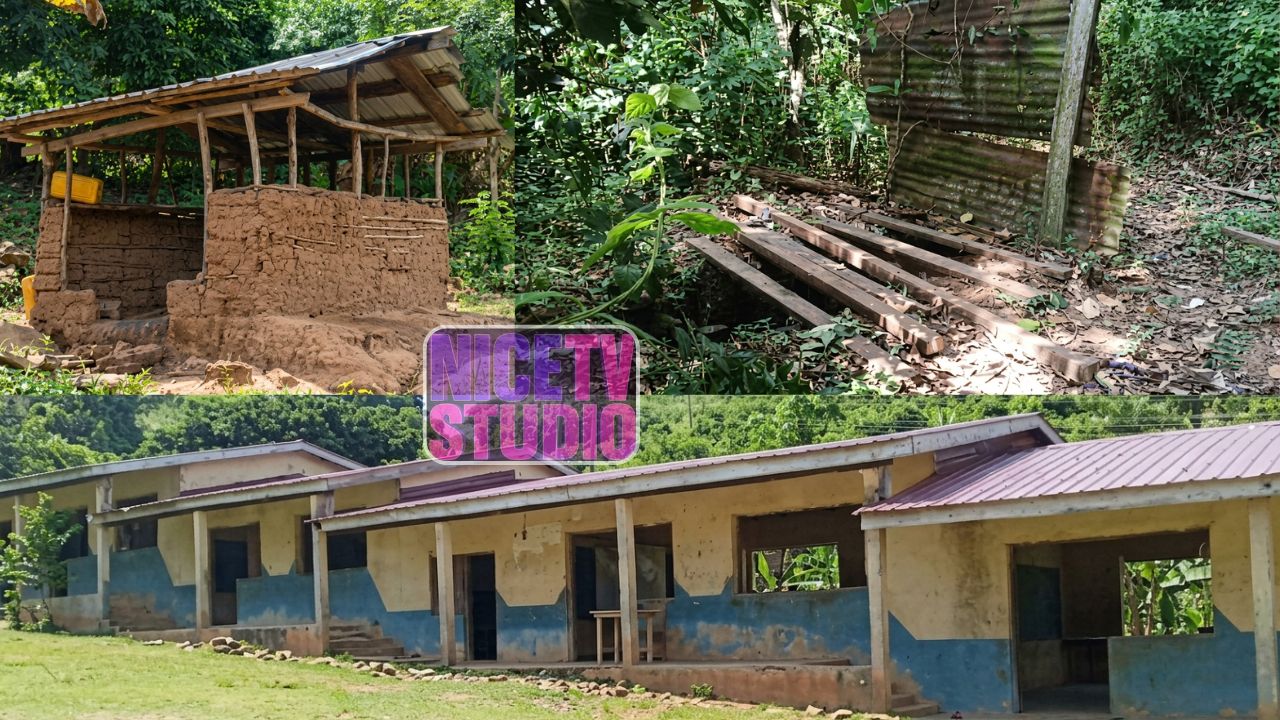
Teacher accommodation is another major concern. The absence of residential facilities makes it difficult to attract and retain qualified teachers, particularly those posted from outside the community.
Teachers believe addressing these challenges would not only improve teaching and learning but also encourage more educators to accept postings to the school.
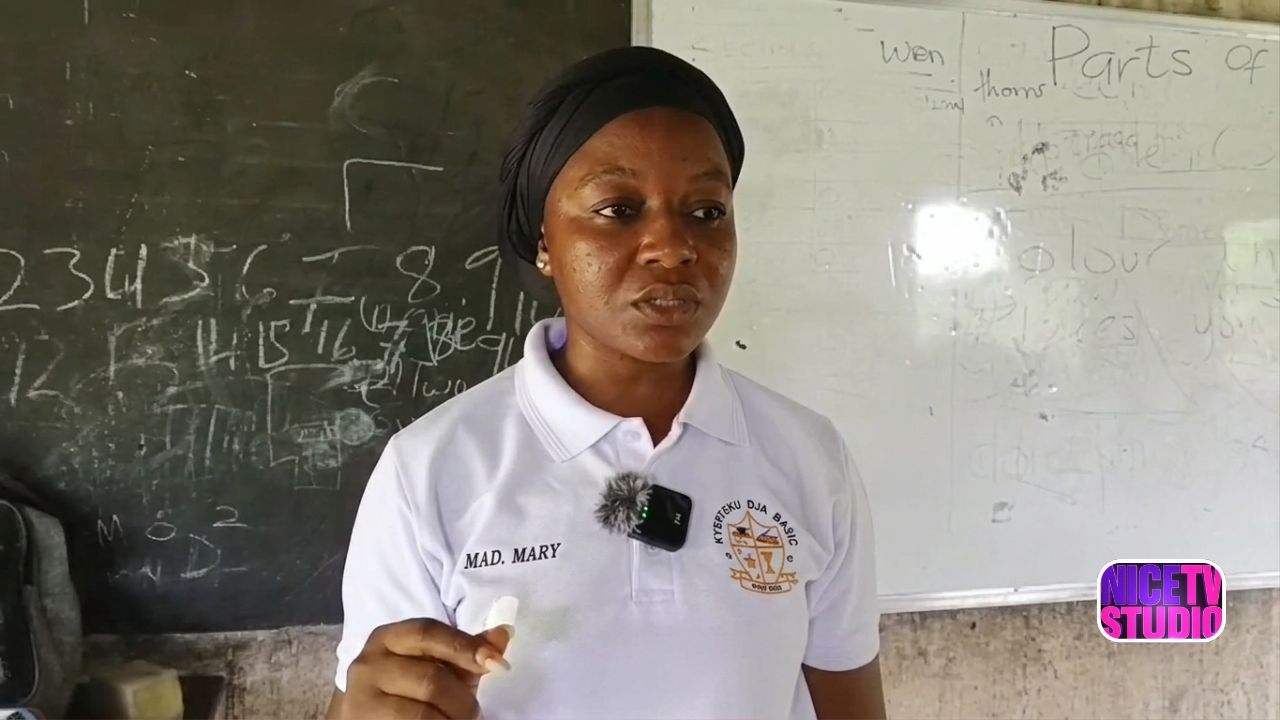
One of the teachers, Mary Amponsah, appealed to the government, the Ghana Education Service, corporate organisations, non-governmental organisations, philanthropists, and individuals to come to the aid of the school.
She called for the provision of additional teachers, classroom resources, ICT equipment, teacher accommodation, and improved sanitation facilities to create a more conducive learning environment for pupils.
Parents and community members also hope the school’s challenges will receive urgent attention to ensure children in Kyekyeku have access to quality basic education comparable to their peers in other parts of the country.
School authorities believe that with the necessary investment in teachers and infrastructure, Kyekyeku D/A Basic School can continue its legacy of producing academically successful and socially responsible citizens.